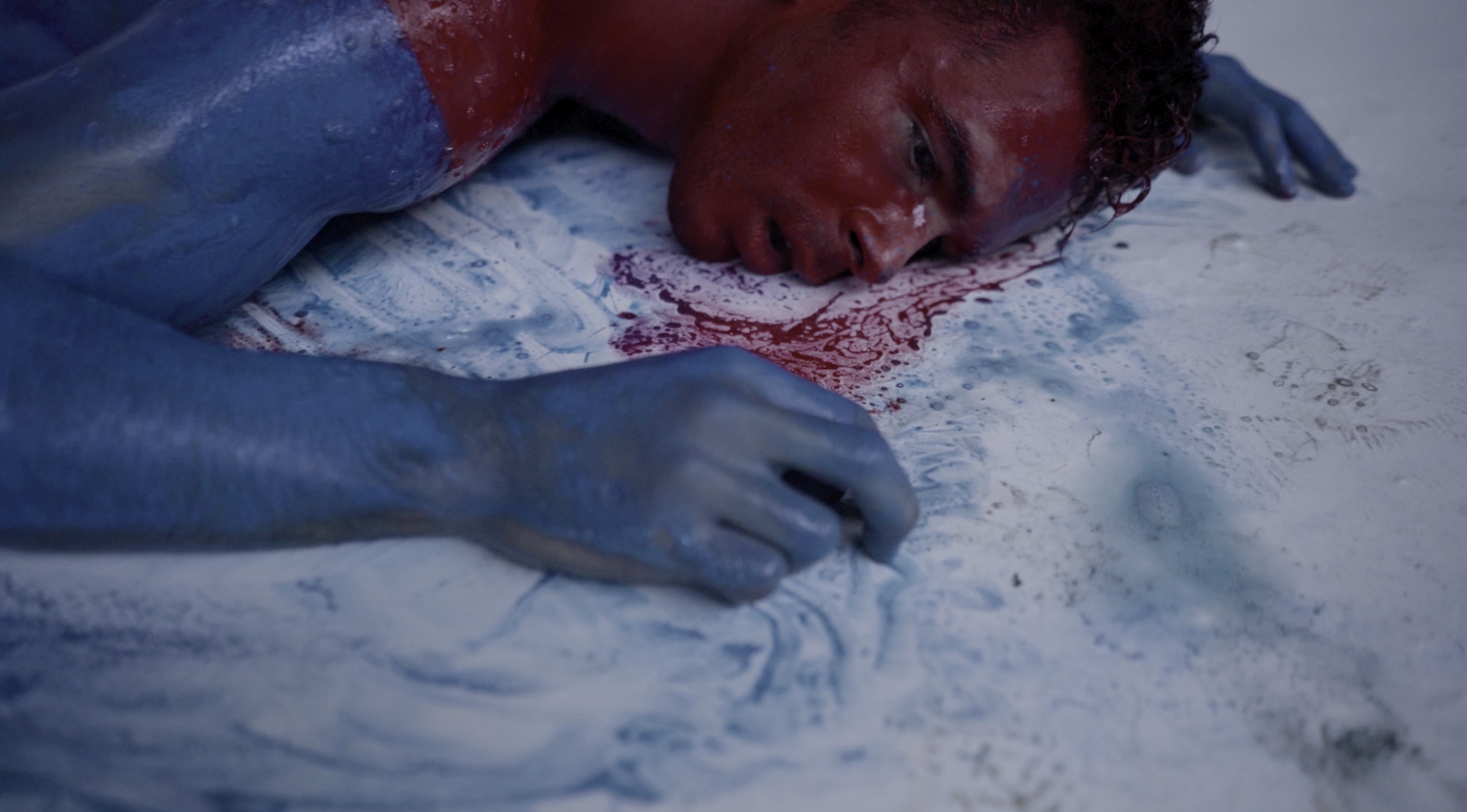
Dance that transforms, movement that inspires.
Repertoire.
-
Fabián (2025)
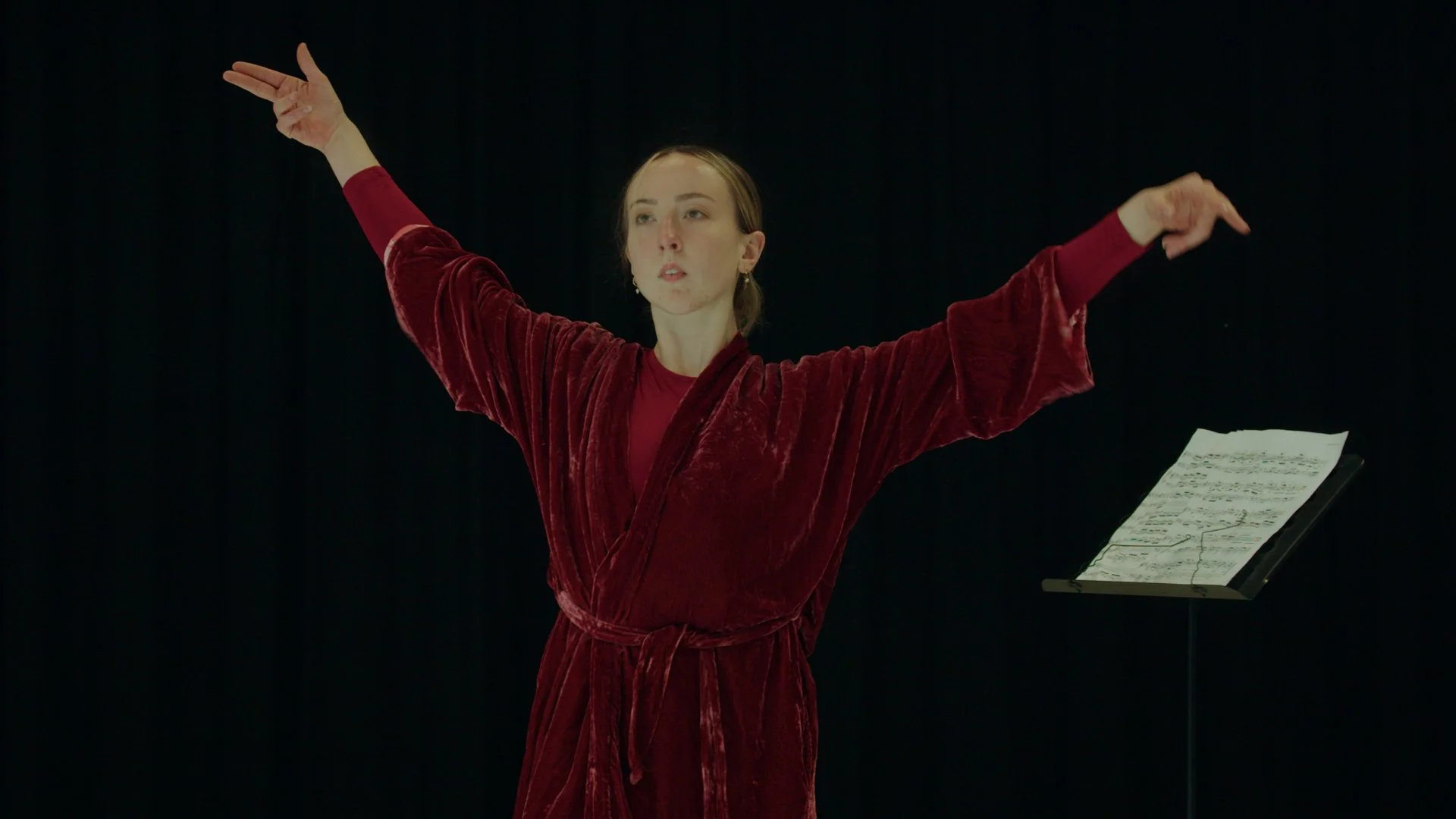
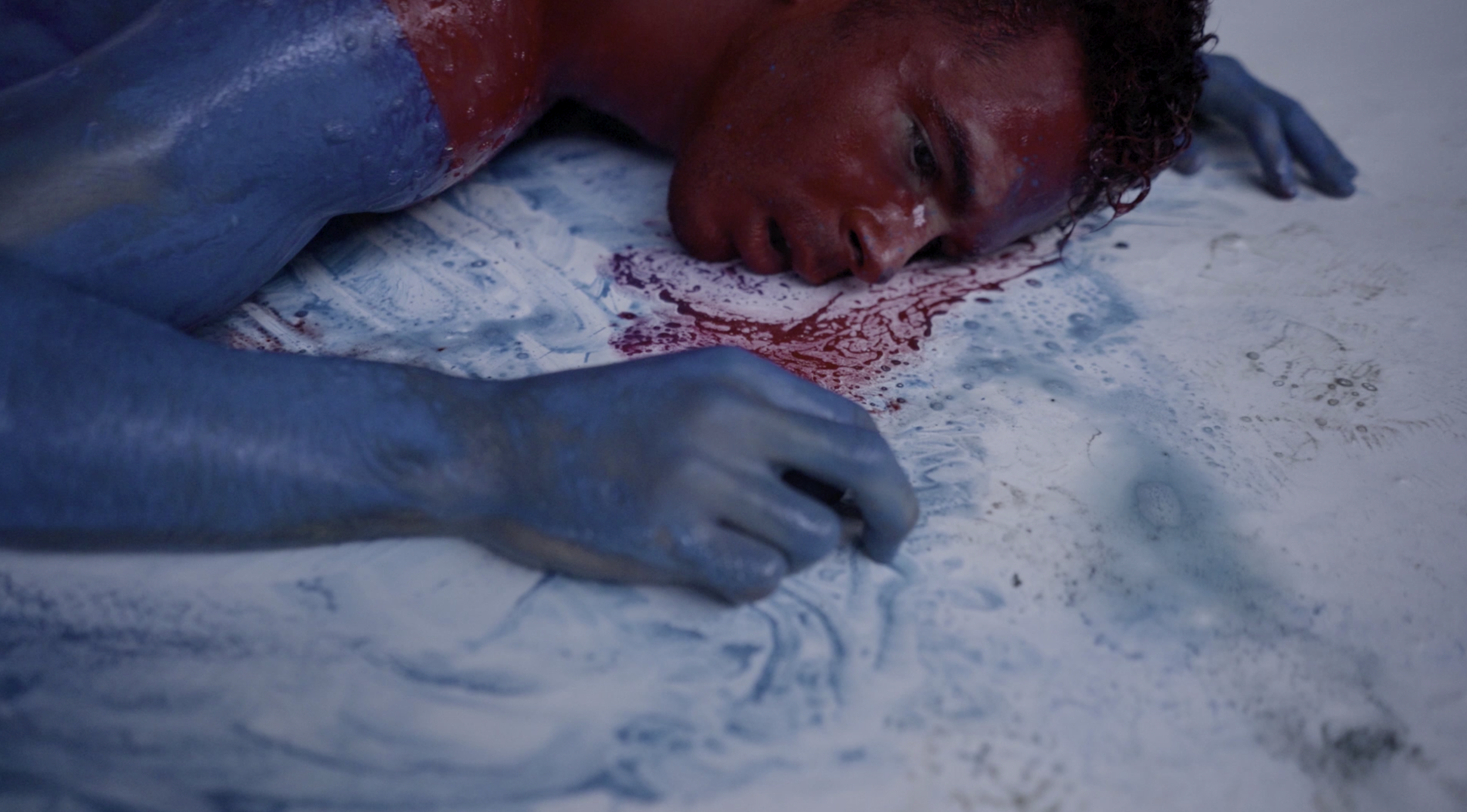
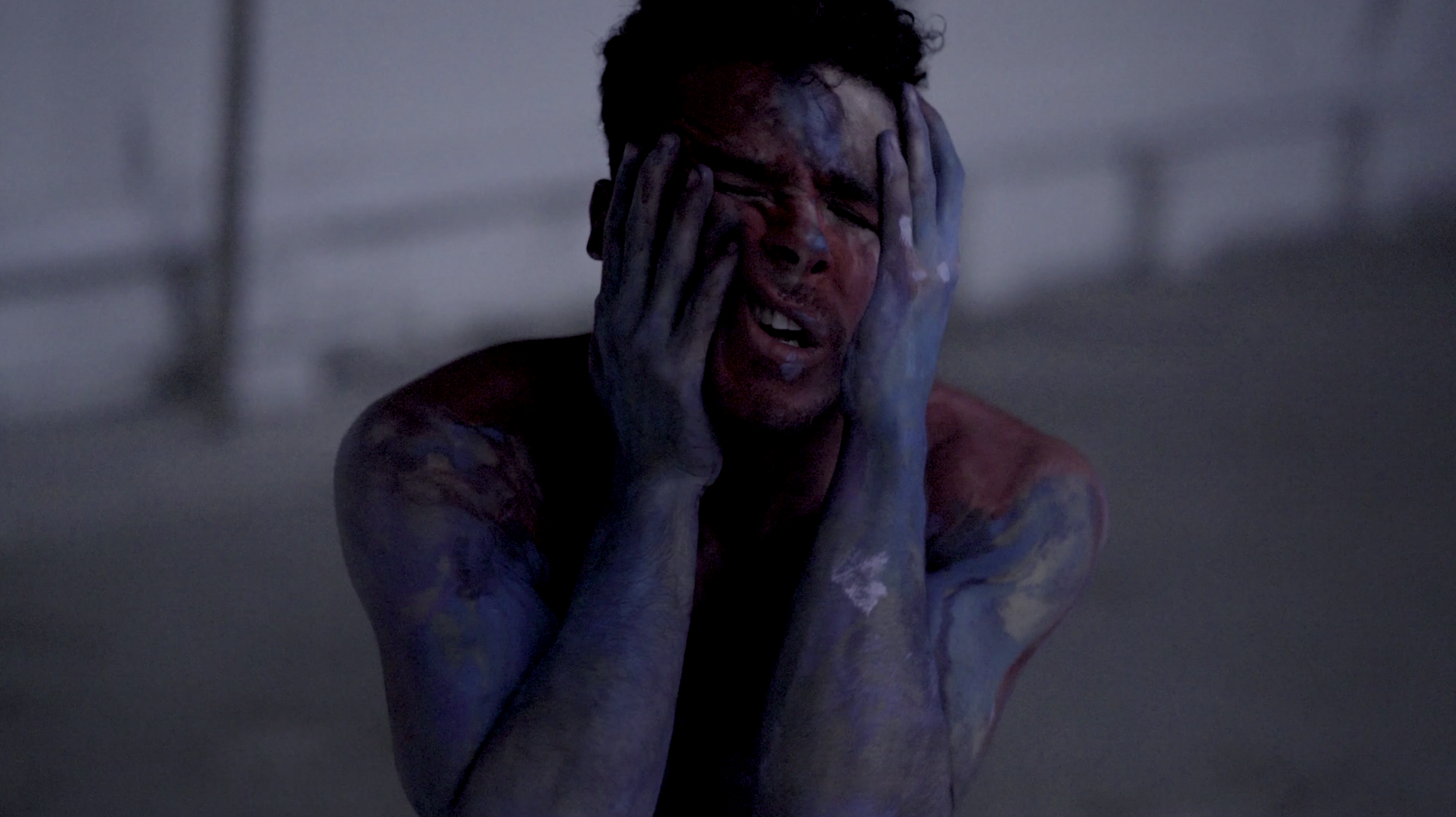
FABIÁN represents the artist, the visionary, the dreamer who cries out a silent scream in an effervescent country or labyrinth where he doesn't feel he belongs because both vulnerability and delicacy are misunderstood as weaknesses and the greatness of his art is accused of being unusual and inappropriate.
I imagine that Fabián often smelled of flowers, like jasmine or roses, something delicate but also dusty, often dressed in his burgundy red velvet robe in his hose like a sort of protection to help him fight his internal demons and the chaos outside that never ended to push him away from his passion to play and finally compose that devastating symphony on the piano.
Interested in escaping to another dimension and in the yearning to be neither man nor woman nor even the invisible ghost that he already was, he lets himself be carried away by the dampness and melancholy that dissolved the walls of his house and his entire country. FABIÁN is a choreographic solo inspired by the novel Fabián y el Caos by Cuban born author Pedro Juan Gutiérrez.
CREDITS
Choreography - Henry Rodríguez
Performance - Sierra Mann
Costumes - Henry Rodríguez
Cinematography - Jos Mauro Witteveen Villagómez
Music - L’DELTA aka Henry Rodríguez
featuring Johann Sebastian Bach and Hermanos GutiérrezSpecial Thanks:
ICK Dans Amsterdam
Space for Dance Art
Movement Research LAB
Not yet premiered
-
MAJOS (2025)
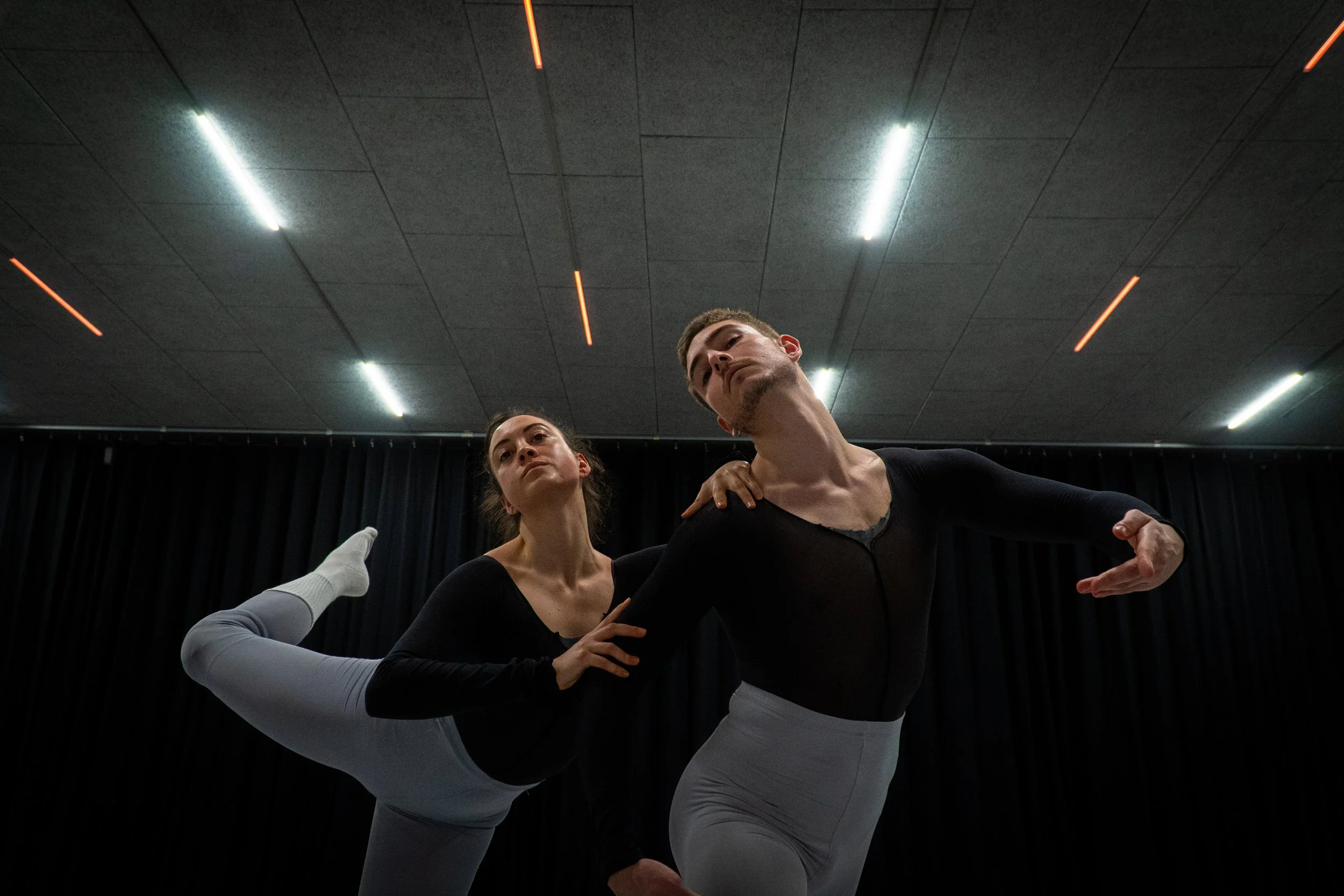
Majos reflects on and recreates the social phenomenon known as Majism from the 18th and 19th centuries in Spain. By exploring the emotions of resilience and disruption in the dancers' physicality and deconstructing elements of the Escuela Bolera (classical Spanish dance), Rodríguez explores a different way of dissecting and transfiguring some of the core traits of majos, such as gallantry, wildness, and flagrant charm. Within this work, he draws inspiration from a social, artistic, and political movement known as Majism, however, without intending to portray a linear narrative, he sets the work up in a frenetic world, speaking the language of a resilient rebellion.
CREDITS
Choreography - Henry Rodríguez
ICW dancersDancers - Rocío Vera & Ignacio Sanz
Costumes - Henry Rodríguez
Videography / Photography - Jos Mauro Witteveen Villagómez & Martin van Drunen
Music - Original production
by L’DELTA
featuring BEBEScholarship Award ICK Dans Amsterdam 2024/2025
Special Thanks:
AmsterDans CompetitionProject Zahira|Dance Theater
ICK Dans Amsterdam
Space for Dance Art
Voordekunst
Cultuurfonds
To Our beloved friends,
supporters and familiesNot yet premiered
-
Pulling Scales (2024)
Award Winning 🏆
AN INTENSE IMMERSION IN IDENTITY, OPPRESSION AND RESILIENCE, INSPIRED BY CUBA AND SURREALISM.
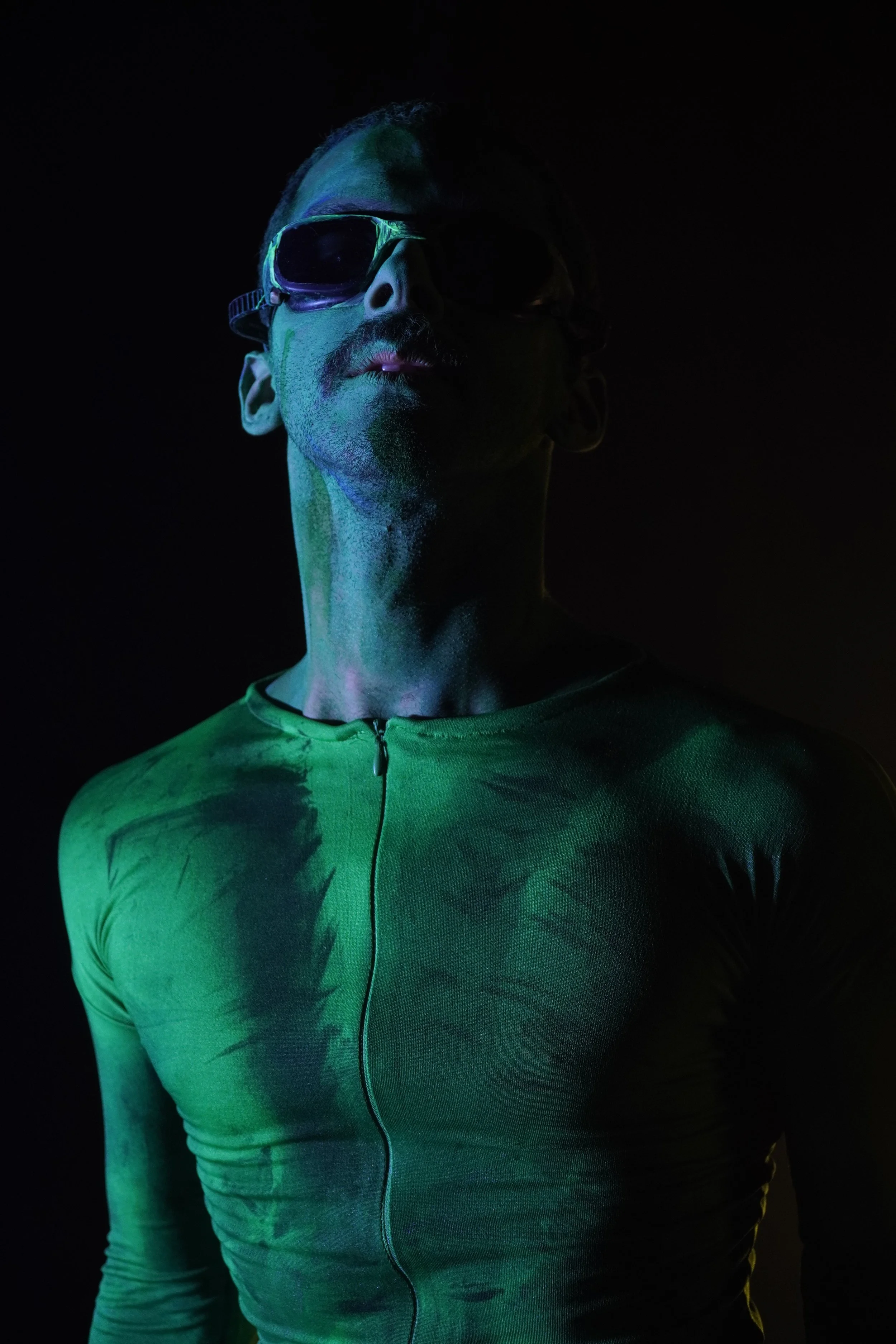
Is it a lizard? A caiman? Or maybe just a dog? Or just a human… All we know is that it is green, sensual, crazy and hungry for change.
For a long time, people in Cuba have been stuck in a hard, endless cycle. They are crushed like insects under the pressure of distorted communist ideas and wild, far-right beliefs.
Pulling Scales is based on the idea of change and transformation. It reflects on the process of awakening, both individually and collectively. It is a dance performance by Henry Rodríguez in collaboration with Elle. aka Lea Katrin (costume design) and L’DELTA aka Henry Rodríguez (music production) and is part of a series of works entitled Physical Rootlessness.
“Remove the rigid plate, the shell, the camouflage. I like to see what lies beyond endurance. Long and dense is the walk towards the core. Pull off your scales to see yourself. To feel yourself. I want to taste the inner walls of your steel body.”
CREDITS
Choreography & Performance - Henry Rodríguez
Costumes - Henry Rodríguez & Lea Katrin ( Elle. )
Videography / Photography - Jos Mauro Witteveen Villagómez & Martin van Drunen
Music - Leaving the Matrix mix and production by L’DELTA
featuring Kelly Lee Owens, Erik Truffaz & MurcofPre-premiered at Intimate Portraits and presented by Stichting Kunsten Dialoog, 2024
Amsterdam, The NetherlandsDebut at Amsterdam Fringe Festival, 2025
Amsterdam, The Netherlands -
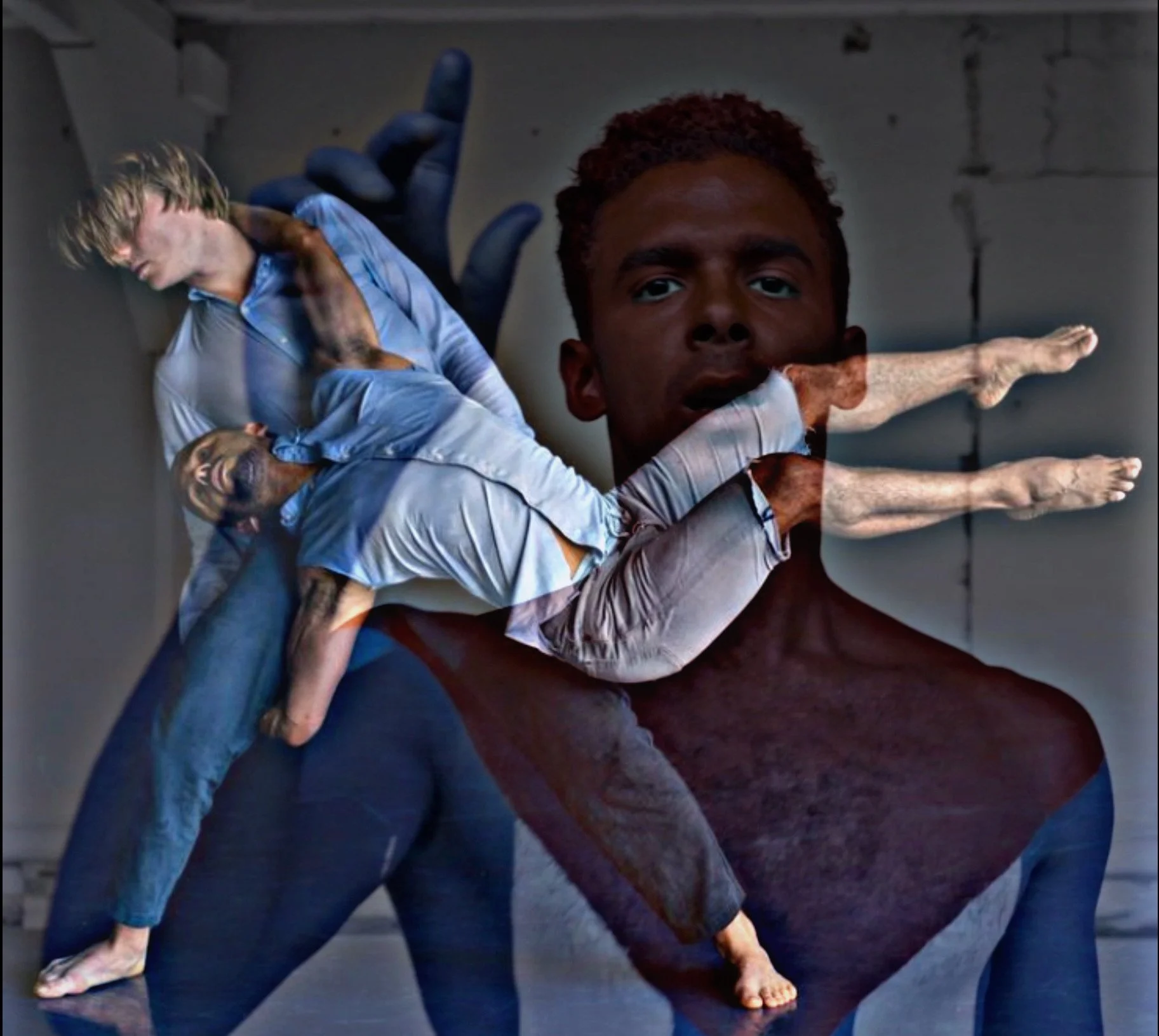
The Physicality of Rootlessness (2022)
For one evening, Rodríguez presents two of his past works: Casa and Dador.
Videography: Jos Mauro Witteween Villagómez
CASA
Casa (2020) is a solo performance and the second work created under the notion of The Physical Rootlessness, a concept in which Henry defines and summarises recurring themes in his works such as migration, identity, the subconscious, individualism, loneliness, repression, greed and desire. While Carnem Exilui examines the migrant body and the idea of departure, CASA is a return, a focus to where the main character comes from. It dives into the layers of what makes and question our identity, our idea of homeland and simultaneously our relation with chaos and limitations. In this work, Henry references and quotes two Cuban choreographers of great influence such as Julio Cesar Iglesias and George Cespedes. Through the combination of his and their languages, this work exposes an absurd and in fact quite a realistic panorama of current events in Cuba, a raw vision of the constant struggle of people. It is not to educate or defend a political statement what fuels this work, but to touch, confuse and perhaps upset you.
The bolero “Esta Casa“ by Cuban born singer Elena Burke (1928-2002) is one of the main inspirations for the making of this choreographic solo as it generates a starting point for individual and collective reflection over past and still ongoing social and political crisis within the Cuban society.
Performing with Henry in DADOR is Oliver Wagstaff. He is a dancer from the Netherlands, who has studied contemporary dance at the Amsterdamse hogeschool voor de kunsten. With an original training as a breakdancer and actor, his work is always interdisciplinairy and showing a variety of infuences. As a performer he has worked with Ryan Djojokarso, Henry Rodriguez, Anne Nguyen, Dalton Jansen, Andreas Denk, Jonzi D, Alida Dors, Cie Black sheep, De Dansers, Helder Seabra, Heidi Viertaler, Karina Holla, Duda Paiva, Maas theater en dans.
-
LOST IN PARAMETERIZATION (2022)
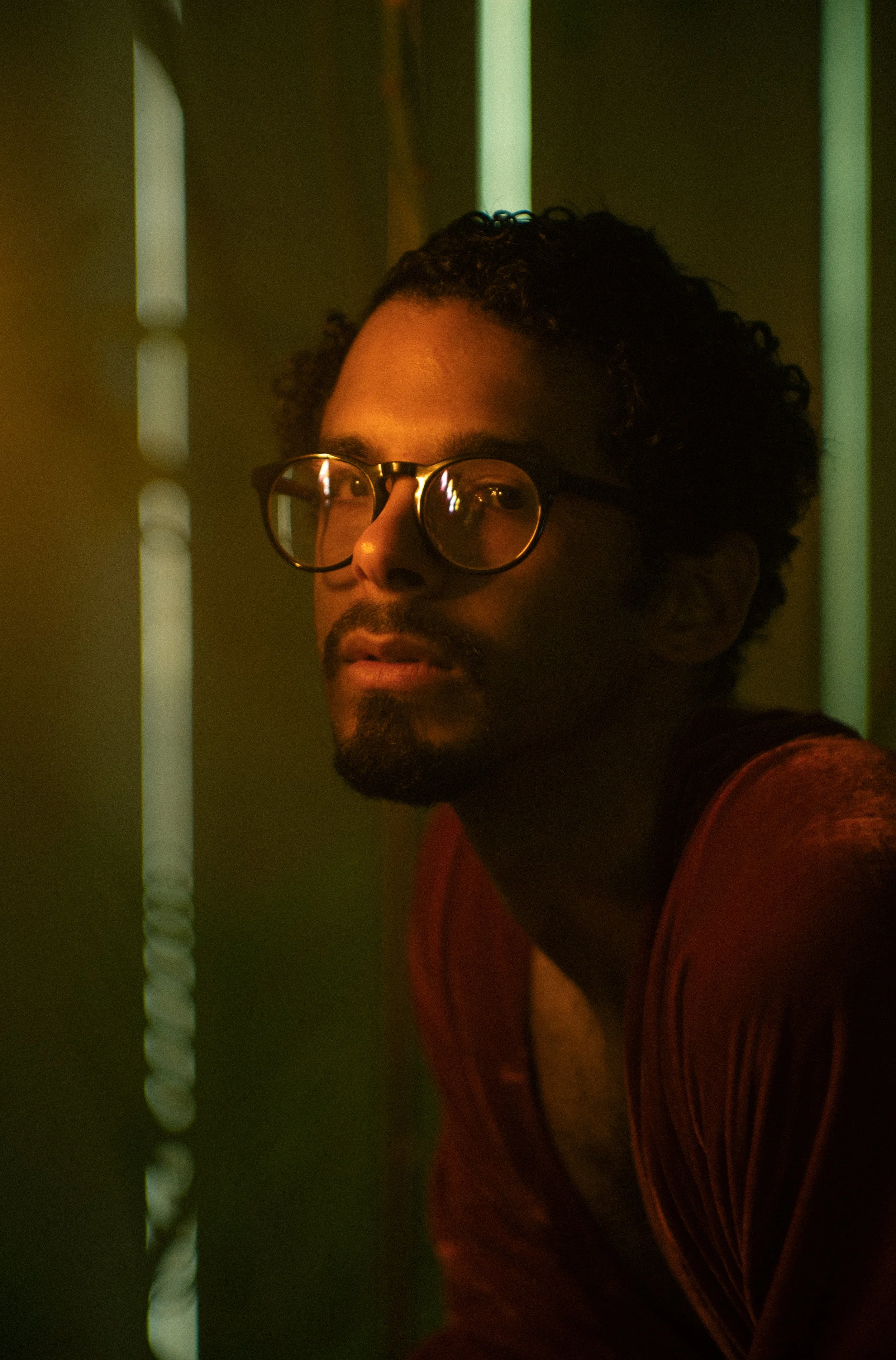
'Lost in Parameterization' is a short dance film by Henry Rodríguez inspired by the novel “Fabián and chaos” by Cuban born author Pedro Juan Gutiérrez. While the novel tells the story of a strange friendship between Fabián and Pedro Juan during the decade of 1960, the video looks through Fabián’s metamorphosis to death inside an effervescent and vertiginous Cuba. In addressing the issue of identity, Rodriguez intends to investigate the body and psyche in their vulnerable possibilities, such as depersonalization, experienced by people during the "Grey Five-Year Period" on the island, for which they felt estranged from themselves, their bodies, their sexuality, their ideals, and the environment that surrounded them. This work is part of the series of works created under the notion of The Physical Rootlessness, a concept in which Rodríguez defines and summarises recurring themes in his works such as migration, identity, the subconscious, individualism, loneliness, repression, greed and desire. Lost in Parameterization has been premiered and commissioned by Swindon Dance during Digital 4 Commission 2022.
Direction, Choreography & Performance - Henry Rodriguez
Set dresser - Barbara Gutiérrez Rodriguez
Camera & Editing Jeremi Baars
Music mix by L'DELTA featuring:
Glenn Gould, 1981
Montserrat Caballé - O mio babbino caro Amadeus (1984)
Cuba, 1947 Official Films, Dudley Pictures Corporation Production
Viva el Triunfo de la Revolución Cubana Centro Fidel Castro Ruz
Jazz a la Cuba (1933)
Copyright MCMXXXIII By U.M.&M. TV Corp.
All Rights Reserved
Commissioned by SWINDON DANCE
-
Fabián, Apuntes 1969 (2022)
Award Winning 🏆
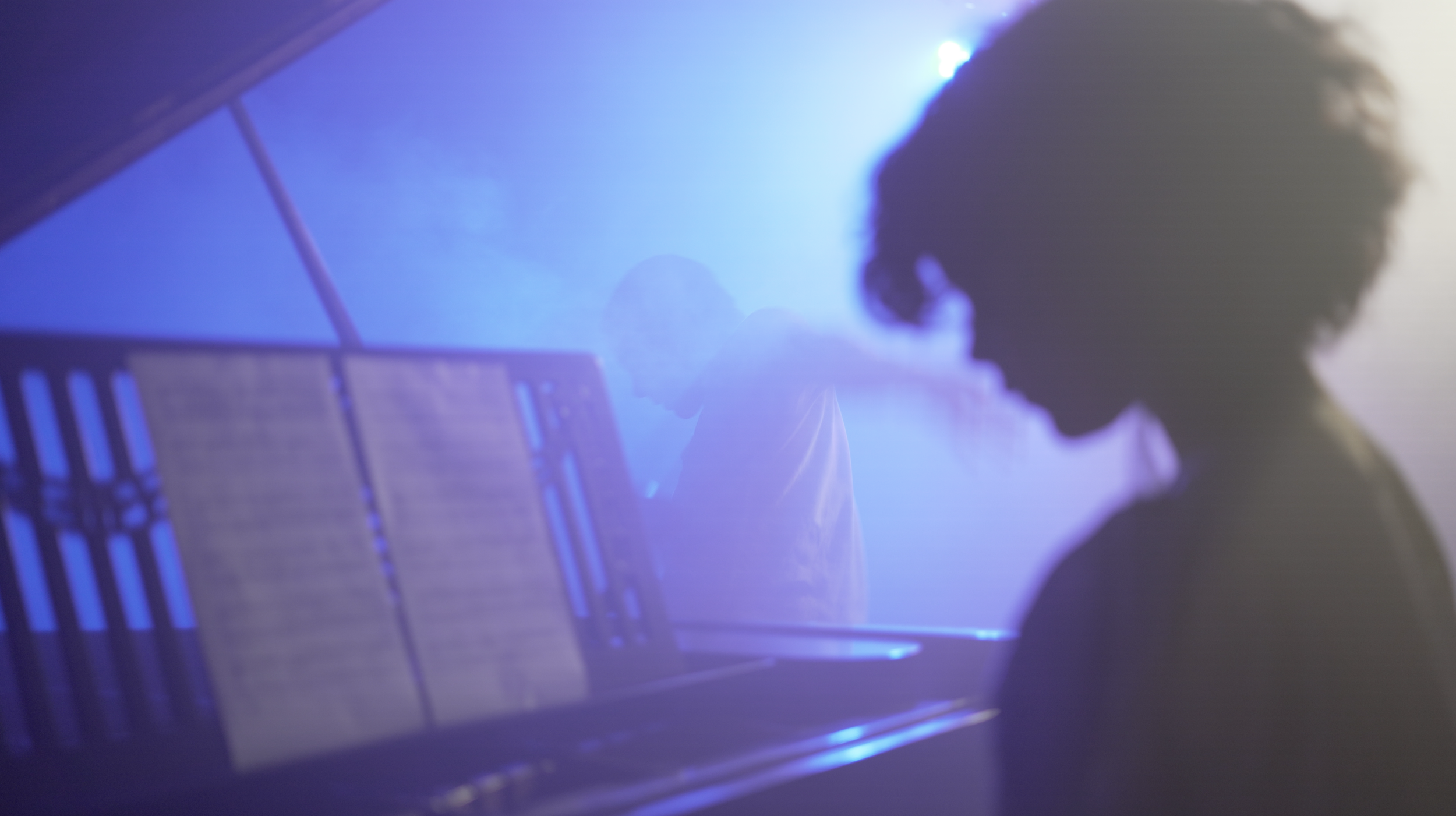
Cuba in the 1960. The revolution has triumphed and Fabián, a young pianist obsessed with his work goes through great contrasts of shadows and despair. 'Apuntes 1969' is inspired by the novel 'Fabián and Chaos', by Cuban author Pedro Juan Gutiérrez. It portrays layers of the main character's subconscious within his loneliness and in times when homosexuals were persecuted in Cuba. While he talks to himself in the mirror, he finds himself in front of the piano, transformed in vulnerability, hope and frustration.
Choreography & Dance: Henry Rodríguez
Pianist: Bárbara Gutiérrez
Videography: Jeremi Baars & Sylvester Van Nieuwenhuizen
Text: Pedro Juan Gutiérrez
Edit: Jeremi Baars & Henry Rodriguez
Music: Ludwig van Beethoven
Direction: Henry Rodríguez
-
DADOR (2021)
Award Winning 🏆
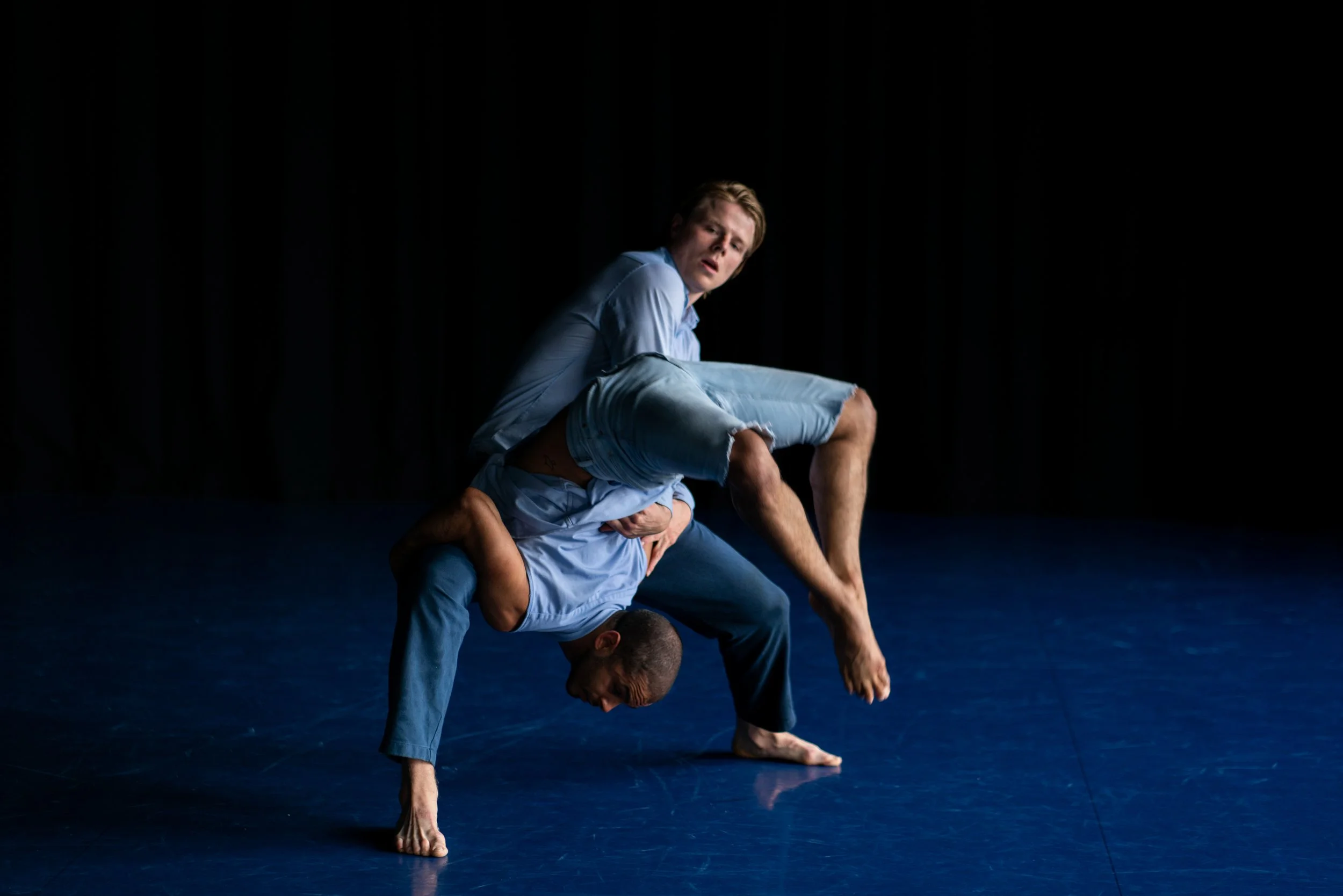
Dador is a duet created in collaboration with performing artist Oliver Wagstaff. Born with the initiative to explore and find synchronicity in the symbiosis of two bodies, it fuses Rodriguez's quirky crawling language into seemingly effortless manipulations driven by the relationships between beginning, ending, permanence and change. In the first part, the dancers intertwine their bodies as an exploration of their own physical possibilities and limitations. The work develops based on knots-partnering, which evolves deepening states of alertness and sensitivity while dealing with physical risks. Being able to move in unison still when there is clearly a giver and a receiver becomes in fact a hard task. Often, as oriented givers, we tend to become non-conscious listeners, bringing communication and physicality to a point where both bodies and energies overlap and fluidity disappears. In this new work, the dancers deal and interact with their impulses, the urge to support each other and give themselves the energy and inputs to interconnect movements while facing the constant challenge of weight alterations. Within this exploration, they were simply open for what both energies had to offer, trusting their sensitivity and intuition. This work has been premiered in 2021 at Florence Dance Festival, Italy.
CREDITS
Choreography: Henry Rodríguez in collaboration with Oliver Wagstaff
Performance: Oliver Wagstaff and Henry Rodriguez
Videography / Photography: Adnan Jerbi
Music: Kangding Ray, TATOS' (L’DELTA)
Teaser: Henry Rodriguez
Duration: 13 minutes 37
Premiere: Florence Dance Festival, 2021
-
CASA (2020)
CASA is the second work of the series 'The Physicality of Rootlessness' and an interdisciplinary work that merges visual arts, dance, physical theatre, and installation art into crafts that involve all the audience's senses at once. It begins with a walking installation under the name of 'Blame the saltpetre', where the artist has constructed what references to a dystopian home in the form of a half-realistic 'Cuban household' with the fusion of materials such as domestic objects, electro domestics equipments malfunctioning and other materials. The structure and confines of the “house” allude to the ruptures of the family collective and the feeling of abandonment and decay that Rodríguez still carried with him after moving to Europe, no better described as a pronounced sensation of acidity, salinity, and disruption in his way of being and moving, hence the title 'Blame the saltpetre'. In the installation, each object aims to provide parallel references to the visitor about contexts within Cuban history of the last 60 years, a deeper vision of the heritage of such an extraordinary island and culture, while reflecting Rodríguez's desire to reconnect with his birthplace, his roots and his homeland, revisit the brightest and darkest memories and take from them what is necessary to continue moving on abroad.
Following the walking installation is a dance performance structured in short scenes. Each scene begins with brief narratives and fragments of poetry as well as illustrations and few music mixes and productions by the artist. CASA is certainly that type of work that reflects a moment in the artist's life that questions his path, his essence, and his creative voice, where he found a field for deeper experimentation and exploration of diverse artistic media parallely to dance. In CASA, the artist is able to revisit his personal experiences spanning themes such as identity, the subconscious, individualism, loneliness, repression, migration, greed and desire, presenting an absurd but quite realistic panorama of current events in Cuba and a raw but poetic vision of the constant struggle of the people from the island that eventually leads to the fragmentation of families through migration. In this work, Rodríguez invites the public to revisit with him memories of a homeland covered in pain and saltpeter, hoping to defy unique interpretation and evoke diverse associations and raw emotions simultaneously.
CREDITS
Performance / Concept / Direction: Henry Rodríguez
Videography / Photography: Adnan Jerbi
Body art: Lisbet Roldán Perez
Music: L'DELTA featuring Elena Burke
Duration: 1 hour, 20 minutes
Film premiere Mile Zero Dance On Screen, 2021
Performance premiere DOOR OPEN SPACE Residency Program, 2022
-
The Physical Rootlessness Series
Carnem Exilui
CASA
Fabián, Apuntes 1969
Award Winning 🏆
Lost In Parameterization
Pulling Scales
Award Winning 🏆FABIÁN
As its name suggests, this series explores a constantly broken and disjointed physicality. Starting from disruption and a lack of technical and academic foundations in movement, the body scrutinizes its own archive of memories, dreams, and political traumas; there it becomes aware of the paradox, there it accepts solitude, there it embraces its constellation of challenges that takes it far away from what was once called "Home". From nothingness, it stands up, it moves, it dances, it flies and returns back again.Each migration and return suggests a rebirth from the emotional chaos, a new alienation and reintegration that takes root again and again as a chance to revisit past, past as the new beginning to learn and unlearn the rituals, the behaviours and the dances that once identified it.
This series consists of narrative and non-narrative works that intertwine reality and fiction to examine and expose disoriented bodies in dystopian sociopolitical contexts. It critiques patriarchal systems, imposed respect, and distorted communist ideals. Drawing on Cuba's rich cultural history, Rodriguez explores identity, repression, and migration through surrealism and minimalism, in essence, and in spaces where individualism and collectiveness merge to evoke raw emotions and diverse interpretations.